

Medically reviewed by Dr. Jeremy Silverman, DMD | Peace of Mind Dental Studio, Chandler, AZ
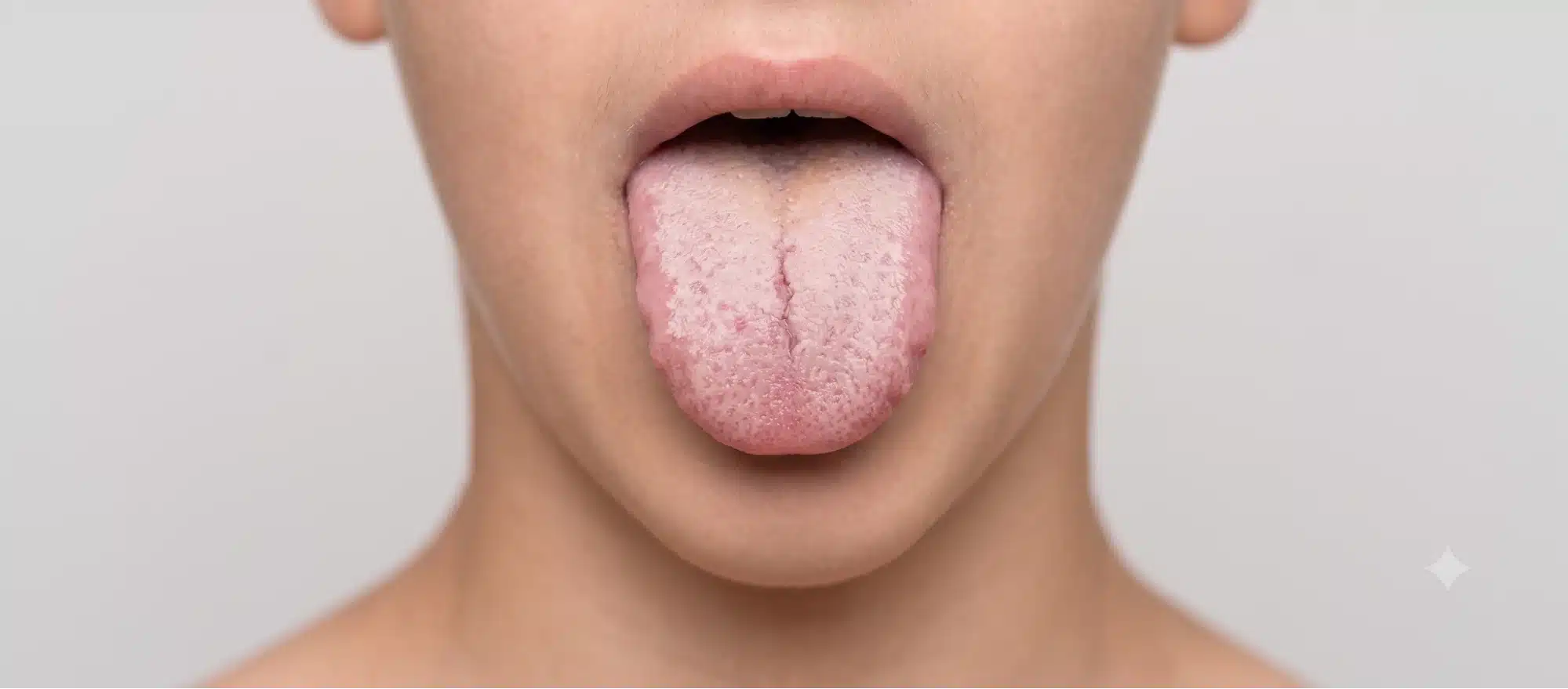
Quick answer: Oral thrush is a fungal infection caused by an overgrowth of Candida that shows up as creamy-white, cottony patches on the tongue, inner cheeks, or roof of the mouth. It’s more likely if you use inhaled steroids, wear dentures, have a dry mouth, or have a weakened immune system. Treatment is antifungal medication prescribed by a dentist or doctor, since home remedies alone can’t clear an established infection. See a dentist if the patches don’t improve, are painful, or keep coming back.
Summary
Oral thrush is a fungal infection caused by the fungus Candida. A healthcare provider or your dentist can identify it during a regular dental exam. It looks like a white film on your tongue or the roof of your mouth and feels like cotton. There can be multiple causes behind it, which range from medications to smoking.
This blog has discussed oral thrush treatment in detail.
The key highlights of the blog are:
- Cause of oral thrush in adults and whether it is contagious.
- Oral thrush looks like a white, cottony film and appears on your tongue, roof of the mouth, and even the throat and esophagus.
- Antibiotics, inhaled steroids, dentures, dry mouth, and certain health conditions can increase the risk.
- Oral thrush treatments for adults involve antifungal medication prescribed by a healthcare professional.
- Home care can support recovery, but persistent thrush should not be treated with home remedies alone.
- A dentist can help diagnose oral thrush and determine whether you need further medical evaluation.
Did you know that your mouth naturally houses multiple species of bacteria and fungi? One of them is Candida, which is naturally present in your mouth. However, when your immunity is weaker, it can lead to Candida overgrowth, which causes infections like oral thrush.
It affects the tongue, gums, roof of the mouth, inner cheeks, and throat. You can see creamy-white, raised patches on these areas. Underneath, the tissue may be red and irritated.
However, not every white patch in the mouth is thrush. Conditions such as leukoplakia, irritation, and other oral lesions can look similar. That’s why an examination is important when a patch doesn’t go away.
What Causes Oral Thrush in Adults?
Several factors can be responsible for the same, which are discussed below:
When you take medications that interfere with the bacteria that keep Candida growth under control, the yeast can multiply and cause infection.
Inhaled corticosteroids used for conditions such as asthma can also increase the risk, particularly when patients don’t rinse their mouths after using an inhaler.
Poor dental hygiene also disrupts the balance of bacteria and yeast in your mouth, which is why good oral hygiene matters.
Children have weaker immunity, which can contribute to oral thrush.
Pregnant women face hormonal changes, which can lead to Candida overgrowth.
Symptoms to Watch For
The most recognizable symptom is a white coating or patches inside the mouth. You may find these patches on the tongue, cheeks, palate, or gums.
Other symptoms:
- Burning or soreness in the mouth
- Redness beneath white patches
- Cracking at the corners of the mouth
- A cotton-like feeling
- Changes in taste
- Discomfort when eating or swallowing
These symptoms vary in people. So, the best way to get a proper diagnosis is to book an appointment with a dentist.
How Is Oral Thrush Diagnosed?
A dentist or healthcare provider can identify thrush through a visual exam and a discussion of your symptoms. In some cases, dentists may take a small sample to examine and confirm the diagnosis.
The key is not to assume every white patch is thrush. If symptoms persist, professional evaluation helps prevent an incorrect self-diagnosis. If you’re trying to figure out whether a patch is thrush or something else, our guide to that white film on your tongue covers the other common causes to consider.
| Expert insight from Dr. Jeremy Silverman, DMD: “The white patches themselves don’t tell us much on their own. It’s the combination of how they look, whether they wipe away, and what’s going on with your health and medications that points us to thrush versus something else. That’s why a quick in-office look matters more than trying to self-diagnose from a photo online.” |
Oral Thrush Treatment for Adults
Multiple oral thrush treatments are available. Antifungal medication is the most popular treatment. It can include antifungal mouthwash, lozenges, or oral medication.
If medications are causing the thrush, patients should consult their healthcare provider. If poorly fitted dentures are the culprit, patients should improve denture cleaning and ensure the dentures fit properly.
If an inhaled corticosteroid is contributing to the problem, rinsing the mouth after using the inhaler helps reduce the risk of future episodes. Do not stop medication without speaking with the prescribing clinician.
| Real patient experience: “I needed an urgent appointment for a painful issue while I was away from home. I am so thankful I found this dental office. I don’t find going to the dentist particularly relaxing under normal circumstances and especially not when I’m in pain. However, the staff (from the front desk to the dental assistants) and dentist were all very kind and calming. If I lived in town, I would definitely make Peace of Mind my primary dental office.” — Stephanie C., verified Google review |
How to Get Rid of Oral Thrush More Effectively?
The best way to get rid of a fungal infection is to treat the root causes. Some of the ways are discussed below:
- Good oral hygiene helps balance bacterial and fungal growth, reducing the risk of oral thrush. Gently clean your tongue and use an antimicrobial mouthwash.
- Remove and clean your dentures daily, and avoid sleeping with them in.
- Staying hydrated also helps if dry mouth is contributing to the problem.
- Smoking is another major reason behind oral thrush. So avoiding it helps a lot.
- Limit foods that irritate your mouth while it heals.
No single supplement, food, or home remedy can reduce the risk of oral thrush. Do not fall for online cures for oral thrush in adults that are trending on the internet. Book your dental appointment and follow appropriate antifungal treatment.
Do You Need Oral Thrush Treatment?
If you, a friend, or a family member is dealing with oral thrush, the first step is to see a dentist instead of searching online for treatment or shortcuts that promise instant relief.
Book an appointment with us at Peace of Mind Dental Studio, and let us properly examine your mouth to diagnose the problem correctly. Sometimes, the white patches aren’t oral thrush, but they could be leukoplakia or canker sores.
It’s not something you should ignore or wait for it to heal on its own. Visit us and let us help you with the correct oral thrush treatment.
Frequently Asked Questions
Q: What is the fastest treatment for oral thrush in adults?
A: The best and quickest option is antifungal medication, depending on the infection’s complexity and severity. Consult us at Peace of Mind Dental Studio for correct treatment.
Q: Can oral thrush go away without treatment?
A: Mild cases can improve when an underlying trigger is removed, but persistent oral thrush requires antifungal treatment. Waiting too long can allow symptoms to continue or worsen.
Q: What are the best cures for oral thrush in adults?
A: There is no single cure for oral thrush in adults. The best approach is to use antifungal medication and address contributing factors such as dry mouth, denture hygiene, medication use, and other health conditions.
Q: Can I treat oral thrush at home?
A: Good oral hygiene, adequate hydration, and proper denture care support recovery, but home care alone isn’t enough to eliminate an established infection. If symptoms persist, seek professional advice.
Q: When should I see a dentist for oral thrush?
A: Consult a dentist if the thrush causes discomfort in speaking and eating, and the redness and soreness don’t go away. Remember, prompt evaluation is necessary to ward off infections.