

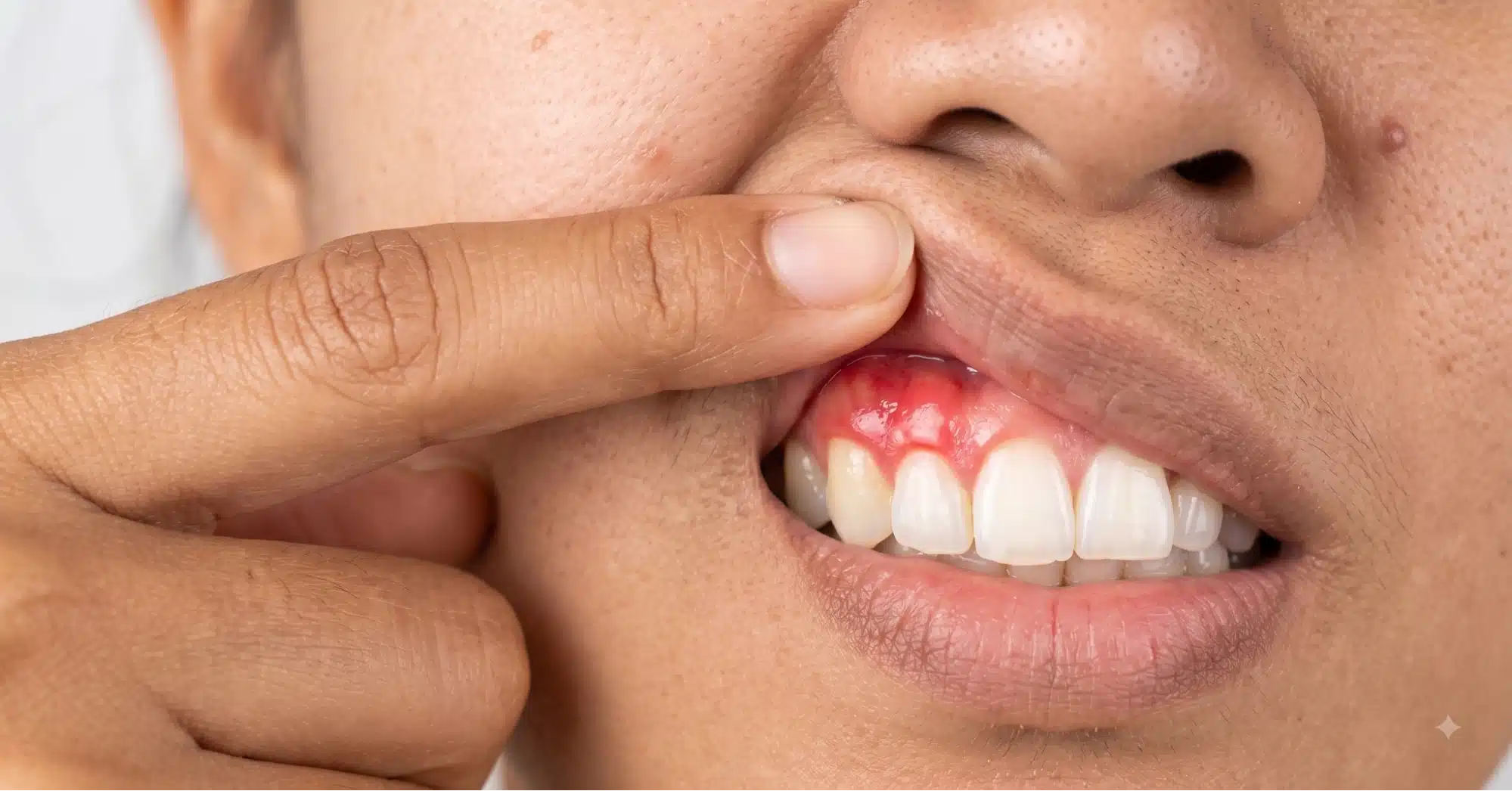
Quick answer: Gum recession is caused by gum disease, aggressive brushing, teeth grinding, tobacco use, and genetics. Once gum tissue has receded, it does not grow back on its own, but professional treatment can restore gum health and protect your teeth. Early diagnosis and treatment offer the best chance of preserving your smile.
Summary
Gums are as important as your teeth because they protect the roots of teeth, support the bite, and protect teeth against bacteria. However, when they begin to pull away from teeth, the condition is called gum recession. It can affect your oral health in several ways. It can lead to tooth sensitivity, a higher risk of decay, and even tooth loss.
If you are experiencing gum recession, this blog will help you learn about treatment options and how to prevent further damage.
The key highlights of the blog are:
- Gum recession exposes the roots of your teeth and increases sensitivity.
- Gum disease, aggressive brushing, teeth grinding, and genetics are among the most common causes.
- Lost gum tissue generally cannot regenerate naturally, but professional treatment can restore gum health and protect your teeth.
- Using a soft-bristled toothbrush for gum recession and maintaining good oral hygiene can help slow progression.
- Early diagnosis and treatment offer the best chance of preserving your smile.
Gum recession doesn’t happen overnight. It isn’t as if you wake up one day and see that your teeth seem longer, cold drinks suddenly become uncomfortable, and brushing your teeth becomes painful. It indicates that the gum tissue protecting your teeth has begun to wear away.
Unlike tooth enamel, the roots of your teeth are not designed to be exposed. Once gum tissue recedes, the roots become vulnerable to sensitivity, decay, and everyday wear. Gum recession occurs slowly, so most patients don’t realize it until it has already caused significant damage.
So, what to do? Read this blog and find out!
What Causes Gum Recession?
The answer isn’t the same for everyone. In most cases, several factors contribute to the condition rather than a single cause:
| Cause | |
| Gum Disease | When plaque and bacteria accumulate around the gum line, they trigger inflammation and destroy the tissue supporting the teeth. Without treatment, this inflammation can progress to periodontal disease, causing both gum and bone loss. |
| Aggressive Brushing | Brushing technique also plays an important role. Many people believe that brushing harder cleans better, but aggressive brushing and hard-bristled toothbrushes slowly wear out the gum tissue. |
| Tobacco Use | Tobacco is bad for your dental health. Whether you chew it or smoke it, it damages your teeth and gums. |
| Natural Reasons | Some people have naturally thinner gum tissue, which makes them more susceptible to recession even when they maintain good oral hygiene. |
Some other reasons include teeth grinding, poorly aligned teeth, hormonal changes, and genetics.
Signs You Shouldn’t Ignore
Here are some signs that you should not ignore at all:
Increased Tooth Sensitivity: If you experience pain and discomfort while eating hot or cold foods, it may be due to sensitivity, which can indicate gum problems.
Teeth Appear Longer: If you see that your teeth look longer than before, it’s only because the gums have been pushed back.
Loose Teeth: If you leave gum recession untreated for too long, your teeth can become loose over time.
Small Notches Near Gumline: You can see little triangular grooves near the gumline caused by the pushed-back gums.
Some patients also notice persistent bad breath or discomfort when chewing.
If you have noticed something out of the ordinary, take the first step and book a dental appointment. The sooner you start the treatment, the better it will be for your overall dental health.
Can Gum Recession Be Reversed?
Some people say that “I healed my receding gums.” This makes people ask whether gums can grow back naturally.
It’s important to understand what that usually means. Healthy habits can reduce inflammation, eliminate bleeding, and improve the appearance of your gums. However, once gum tissue has receded, it generally does not regenerate on its own.
It doesn’t mean that the treatment isn’t effective. Modern dentistry offers several treatment options that can help restore the lost gum tissue.
The earlier treatment begins, the better the long-term outcome.
Expert insight from Dr. Jeremy Silverman, DMD: “The most common misconception I hear is that better brushing alone can bring gum tissue back. It can’t, but catching recession early still matters enormously, because it’s the difference between simple maintenance and needing a graft later on.”
Gum Recession Treatment Options
The right gum recession treatment depends on both the severity of the recession and its underlying cause. Here are some options:
| Treatment | |
| Dental Cleanings and Scaling | When plaque and tartar have accumulated on the gumline, dentists recommend professional dental cleanings and scaling. Root planing is another procedure that removes bacteria below the gumline and encourages healthier gum attachment. |
| Gum Graft Surgery | In severe cases, it can be an effective solution. During this procedure, healthy tissue is placed over exposed roots to improve protection, reduce sensitivity, and restore a more natural gumline. |
| Nightguard | If teeth grinding is the problem, a custom mouthguard is used to reduce excessive pressure. |
If gum disease is the underlying cause, our gingivitis treatment page explains how we approach early-stage gum disease.
How to Stop Gum Recession?
In the earlier stages, you can take measures to prevent further damage:
- Brush twice a day, floss your teeth, and rinse with an antimicrobial mouthwash to prevent bacterial growth:
- If you smoke, quitting can improve gum health and reduce your risk of periodontal disease.
- Visit the dentist regularly to detect any dental problems before they escalate, as part of consistent oral hygiene care.
- Wear a mouthguard if you suffer from Bruxism.
Learning how to stop gum recession is really about protecting the gum tissue you still have and preventing future loss.
Real patient experience: “Dr. Silverman, and all of his staff, again were fantastic, very professional and caring. Great Dental Studio. Thank you!” — Gerry O., verified Google review
For more medically reviewed background on gum recession, see this overview from Cleveland Clinic.
Need Gum Recession Treatment?
Gum Recession is a common dental condition, but it shouldn’t be considered a normal part of aging. No matter the cause, you should consult a dentist and begin proper treatment as soon as possible.
At Peace of Mind Dental Studio, we offer complete dental treatments, including gum recession treatment. We evaluate the cause and prescribe the treatment best suited for you because we don’t believe in one-size-fits-all treatments.
And do not worry. Your comfort is our priority.
Don’t wait up. Book your appointment today!
Frequently Asked Questions
Q: What causes gum recession?
A: Gum recession might be caused by gum disease, aggressive brushing, teeth grinding, genetics, tobacco use, and poor oral hygiene.
Q: Can receding gums grow back naturally?
A: No. Lost gum tissue typically does not regenerate naturally, but professional treatments can protect exposed roots and, in some cases, restore gum coverage.
Q: Does using a soft toothbrush really help?
A: Yes. A soft-bristle toothbrush for gum recession helps clean your teeth effectively while minimizing unnecessary trauma to delicate gum tissue.
Q: What is the best treatment for receding gums?
A: Treatment depends on the cause and severity of the recession. Treatment options include professional cleanings, scaling and root planing, gum grafting, and treatment for underlying conditions such as teeth grinding.
Q: When should I see a dentist about receding gums?
A: If you notice tooth sensitivity, exposed roots, bleeding gums, or teeth that appear longer than before, schedule a dental evaluation as soon as possible.